Child Psychiatrist in Boston for High-Achieving Families
Never rushed, physician-led care.

Dr. Caroline Fu, DO
Harvard & Tufts Instructor
Adult & Child Psychiatrist
Personalized practice
Total privacy & discretion
Is your child is struggling with anxiety that keeps them from school, attention challenges affecting their potential, or moods that seem impossible to regulate?
You need more than a rushed fifteen-minute appointment. You need a psychiatrist who will take the time to truly understand your child.
The Only Concierge Psychiatry Clinic for Families in Boston
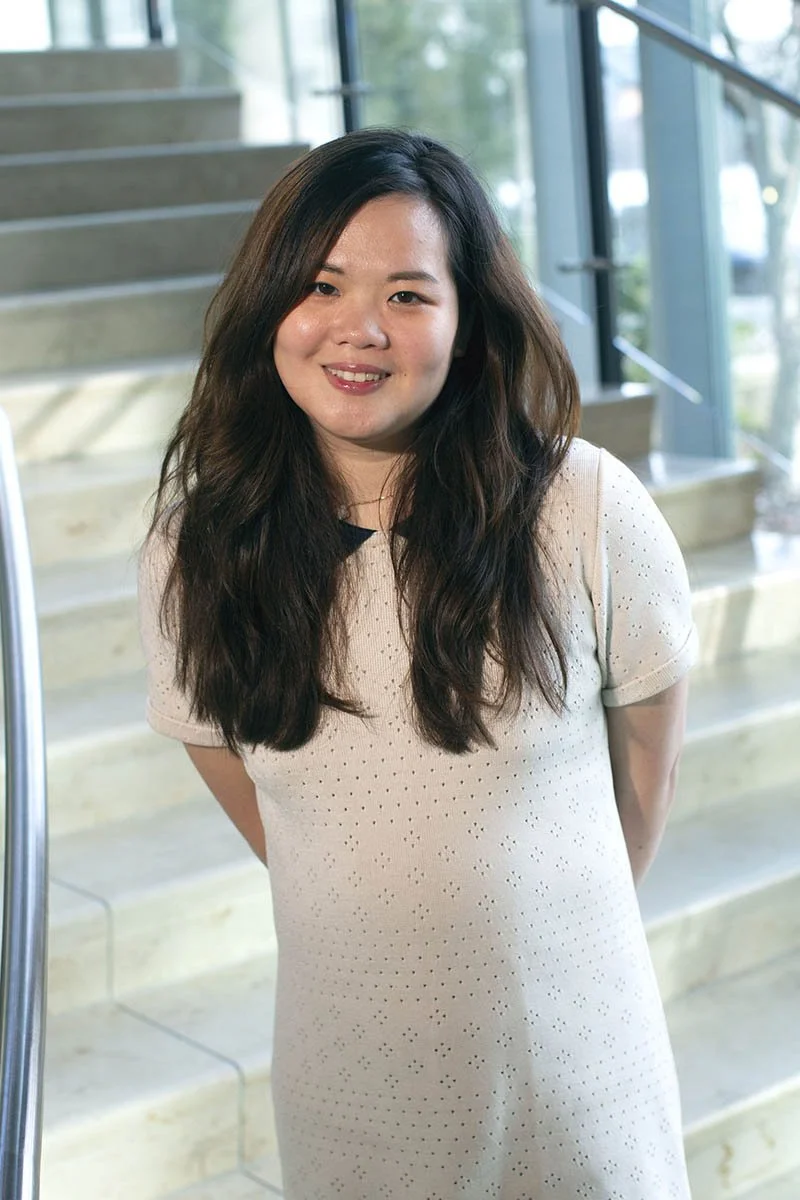
Dr. Caroline Fu, DO
When your child is struggling—whether with anxiety that keeps them from school, attention challenges affecting their potential, or moods that seem impossible to regulate—you need more than a rushed fifteen-minute appointment. You need a psychiatrist who will take the time to truly understand your child.
At Caroline Fu Psychiatry, we provide concierge child and adolescent psychiatry for Boston families who expect exceptional care. Dr. Caroline Fu combines board certification in both general psychiatry and child psychiatry with a practice model designed around what children and families actually need: unhurried evaluations, direct access to their physician, and coordination across every aspect of your child's life.
Or Call: 617-401-8838
The Concierge Difference at Caroline Fu Psychiatry
“How a doctor’s office used to be.”
Extended Diagnostic Evaluations
Standard psychiatric evaluations for children often feel incomplete. In a concierge model, initial assessments span 90 minutes to two hours—enough time to review developmental history, academic records, previous evaluations, and family dynamics. We don't just treat symptoms; we understand context.
Direct Access, Not Gatekeepers
When your teenager's medication needs adjustment before finals or your child has a crisis at school, you shouldn't have to navigate phone trees or wait days for a callback. Our families reach Dr. Fu directly when they need guidance.
A physician sees the whole picture
As a psychiatrist — not a therapist or nurse practitioner — Dr. Fu can diagnose complex presentations, prescribe and monitor medications when indicated, and coordinate care with pediatricians, neurologists, and other specialists. Many childhood conditions mimic each other: ADHD can look like anxiety, anxiety can look like depression, and all of them can affect sleep, school performance, and family harmony. A physician trained in the full spectrum of child psychiatry can distinguish between them.
Seemless care coordination
Children's mental health doesn't exist in isolation. Dr. Fu collaborates with therapists, school counselors, tutors, and pediatricians to ensure everyone is aligned. When families need resources beyond psychiatry—whether educational advocates, family therapists, or neuropsychological testing—we connect them with trusted specialists in the Boston area.
Complete Privacy & Discretion
For families who value discretion, our small patient panel means your child won't run into classmates in the waiting room. We understand the concerns high-profile families have about confidentiality and treat privacy as seriously as clinical care.
Conditions We Treat in Children and Adolescents
We treat a wide range of psychiatric and psychological disorders.
-
Anxiety is the most common mental health challenge in children, affecting roughly one in eight. It can manifest as excessive worry, school avoidance, physical complaints like stomachaches and headaches, perfectionism, or social withdrawal. We help children and families understand anxiety's patterns and develop strategies that restore confidence and engagement.
-
ADHD affects focus, impulse control, and executive function—the cognitive skills children need to plan, organize, and follow through. Proper diagnosis requires ruling out other conditions that can look similar, including anxiety, learning disabilities, and sleep disorders. When medication is appropriate, careful titration and monitoring maximize benefits while minimizing side effects.
-
Childhood depression often looks different from adult depression. Instead of sadness, children may show irritability, declining grades, loss of interest in activities, changes in sleep or appetite, or even physical complaints. Early intervention can prevent escalation and support healthy development.
-
Oppositional behavior, aggression, and emotional dysregulation can strain families and affect a child's relationships at school and home. We work to understand the underlying causes—which may include ADHD, anxiety, trauma, or environmental stressors—and develop targeted treatment plans.
-
For children with autism spectrum disorder, psychiatric care often involves managing co-occurring conditions like anxiety, ADHD, or mood dysregulation. We collaborate with behavioral therapists and schools to support the whole child.
-
OCD in children can present as repetitive behaviors, excessive checking, intrusive thoughts, or rituals that interfere with daily life. Evidence-based treatment, often combining therapy with medication when needed, can significantly reduce symptoms.
-
Sleep problems affect mood, attention, behavior, and academic performance. We evaluate for conditions like insomnia, circadian rhythm disorders, and the sleep disruption that often accompanies anxiety, ADHD, and depression.
-
Children who have experienced trauma may struggle with anxiety, behavioral changes, difficulty concentrating, or emotional reactivity. We provide careful assessment and coordinate with trauma-specialized therapists to support healing.
-
When a child can't get to school—whether due to anxiety, depression, social difficulties, or an undiagnosed learning difference—academic and social development suffers. We work with families and schools to identify barriers and create paths forward.Item description
My Approach to Child & Adolescent Psychiatry
Every child is unique, and effective psychiatric care starts with understanding the individual. Our approach emphasizes:
Comprehensive assessment
We consider developmental history, family dynamics, academic performance, social relationships, and previous treatments. We review prior evaluations and coordinate with other providers to build a complete picture.
Evidence-based treatment
We draw on the best available research. When medication is considered, we discuss benefits, risks, and alternatives thoroughly with families. Many conditions also benefit from therapy, and we help families connect with appropriate psychotherapy resources.
Family partnership
We recognize that parents and caregivers are essential to a child's progress. We provide education about your child's condition, guidance on how to support them at home, and regular communication about treatment progress.
Developmental perspective
We understanding that children are growing and changing. A diagnosis at eight may look different at twelve. We adjust our approach as children mature.
Coordination of care
Children often work with multiple providers. We communicate with therapists, schools, and pediatricians to ensure alignment and prevent fragmented care.
Or Call: 617-401-8838
Frequently Asked Questions about Child Psychiatry
Working with a physician offers unique advantages, including the ability to diagnose and treat underlying conditions.
-
A child psychiatrist is a medical doctor who has completed medical school and specialized residency training in both psychiatry and child psychiatry. Psychiatrists can diagnose conditions, prescribe and monitor medications, order medical tests when needed, and coordinate care with other physicians. A child psychologist holds a doctoral degree in psychology and provides therapy, psychological testing, and behavioral interventions but cannot prescribe medication. Many children benefit from working with both—a psychiatrist managing medication and a psychologist providing therapy.
-
Child psychiatrists are trained to evaluate and treat children from early childhood through adolescence (typically ages 3-18, though some practices see young adults as well). The approach differs significantly by developmental stage—evaluation of a preschooler looks very different from evaluation of a teenager.
-
Consider seeing a psychiatrist first if you suspect your child may need medication, if your child's symptoms are severe enough to significantly impair daily functioning, if previous therapy hasn't been effective, if there's diagnostic uncertainty, or if your child has multiple or complex symptoms. A psychiatrist can always refer to therapy if that's what's needed; starting with a comprehensive psychiatric evaluation ensures you have accurate diagnosis guiding treatment decisions.
-
Thorough evaluations require time. Initial assessments in our practice typically span 90 minutes to two hours, allowing review of developmental history, school performance, family dynamics, and clinical interview with both parents and child. Follow-up appointments are generally 45-60 minutes, significantly longer than standard fifteen-minute medication checks.
-
Not necessarily. Many childhood conditions improve with therapy, environmental modifications, or educational interventions alone. When medication is considered, we discuss the specific benefits and risks for your child, alternative approaches, and what to expect. The goal is always the minimum effective treatment—and for some children, that means no medication at all.
-
Frequency depends on your child's needs and treatment phase. During initial evaluation and medication adjustment periods, appointments may be weekly or biweekly. Once stable, many families shift to monthly or quarterly visits for monitoring. Our concierge model also provides between-visit access for questions and concerns, reducing the need for frequent scheduled appointments.
-
Yes, with your permission. We communicate with school counselors, teachers, and administrators to ensure alignment between home, school, and clinical care. For children requiring accommodations or special education services, we provide documentation and collaborate with educational teams.
-
Telehealth can be effective for many aspects of child psychiatric care, including follow-up appointments, medication monitoring, and parent consultation. Initial evaluations are typically conducted in person when possible to allow fuller assessment. We offer telehealth to families throughout Massachusetts.
-
Concierge care means longer appointments, direct access to your child's psychiatrist, smaller patient panels allowing more personalized attention, and practice design focused on patient needs rather than insurance-driven volume. Families pay a membership or retainer fee that covers enhanced access and unhurried care. The result is the kind of relationship-based medicine that benefits children with complex needs.
The patients we serve
My practice is designed for patients who value expertise and personalized attention over cost savings.
Dual-career families who need flexible scheduling and responsive care
Executive and entrepreneurial families who understand the value of expertise
Families with complex presentations where a child may have multiple diagnoses or hasn't responded to previous treatment
International and relocating families who need a physician to coordinate care transitions
Families seeking second opinions who want fresh perspective on a difficult situation
Begin Your Relationship with Dr. Fu
The first step is a confidential conversation about your child and family.
During this initial discussion, we'll learn about your concerns, answer questions about our approach, and determine whether concierge child psychiatry is the right fit.
We understand that seeking psychiatric care for your child can feel like a significant step. We're here to make it straightforward—and to ensure your family receives the thoughtful, personalized attention your child deserves.
Caroline Fu Psychiatry serves patients seeking treatment throughout Greater Boston, including:
Boston – Back Bay, Beacon Hill, South End, Fenway, Downtown
Cambridge – Harvard Square, Kendall Square, Inman Square, Central Square
Somerville – Davis Square, Union Square, Porter Square area
Brookline – Coolidge Corner, Brookline Village, Washington Square
Newton – Newton Centre, Newton Corner, Newtonville, West Newton
Wellesley – Wellesley Hills, Wellesley Square
Greater Boston – Lexington, Belmont, Arlington, Watertown, Waltham
Telehealth appointments are available for patients throughout Massachusetts.
Signs your child may need a child psychiatrist
Parents often wonder whether their child's struggles are "normal" developmental phases or something requiring professional attention.
Consider evaluation if your child experiences:
Persistent anxiety that interferes with school, friendships, or family activities
Difficulty concentrating that affects academic performance despite effort
Mood changes lasting more than two weeks—whether sadness, irritability, or withdrawal
Behavioral problems that aren't improving with consistent parenting approaches
Sleep difficulties that don't resolve with good sleep hygiene
Social struggles that cause ongoing distress
Declining academic performance without clear explanation
Talk of self-harm or not wanting to be alive (always take seriously)
Sudden changes in behavior, personality, or functioning
If you're questioning whether to seek help, trust your instincts. An evaluation provides answers—and if concerns are unfounded, that reassurance has value too.
About Dr. Caroline Fu, DO
As a board-certified psychiatrist and a therapist, I offer comprehensive mental health care that integrates medication management and evidence-based psychotherapy.
My clinical experience spans multiple settings within the mental health system: Inpatient units, outpatient clinics, consultation-liaison services, and community mental health centers.
This diverse background gives me a top-down understanding of the American mental health system.
If you are feeling lost, we’ll find a path forward.