Bespoke Care for Adults & Children with Autism
Never rushed, physician-led care.

Dr. Caroline Fu, DO
Harvard & Tufts Instructor
Adult & Child Psychiatrist
I am a neurodiversity-affirming physician who takes the time to understand you or your child as a whole person.
I provide diagnosis, medication management and psychotherapy services in Boston & Cambridge.
Personalized Autism Medications for Boston Families
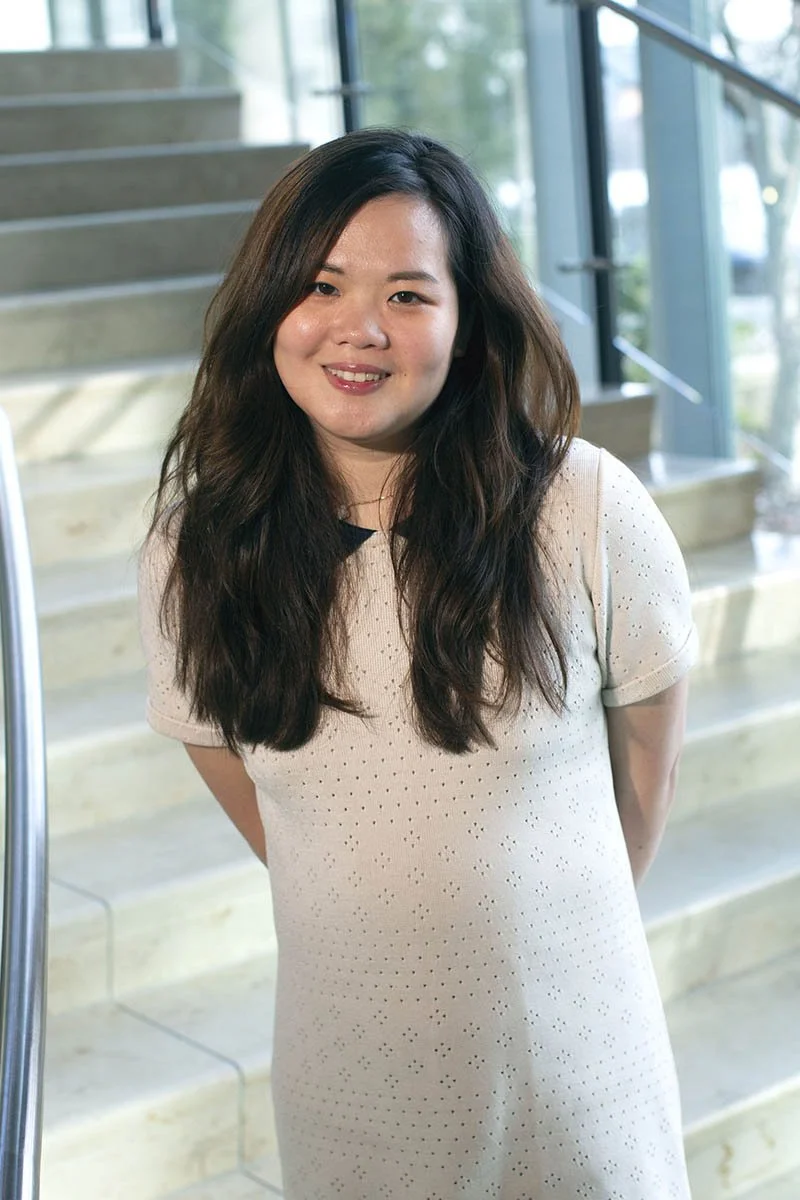
Dr. Caroline Fu, DO
Autistic children rarely fit into a fifteen-minute med-check appointment.
Behavior is communication, and understanding what a person with autism is actually feeling — whether it's anxiety, sensory overload, sleep that never resets, or a low mood that hides behind a calm face — takes time, listening, and real nuance.
At my clinic, I provide both medication management and psychotherapy services for children & adults with autism.
Or Call: 617-401-8838
The Concierge Difference
Most prescribers focused on autism operate in an insurance-driven model: brief sessions, long wait times, and therapists stretched thin across overwhelming caseloads. Our approach is fundamentally different.
Extended Sessions, Not Rushed Conversations
Meaningful progress in therapy requires space to move past surface-level complaints and into the patterns underneath. Our sessions run 60 to 90 minutes, allowing time for both partners to be heard and for real work to happen—not just airing grievances before the clock runs out.
Direct Access to Your Physician
When a crisis emerges mid-week, you shouldn't have to wait until your next scheduled appointment. Our concierge model means direct communication with Dr. Fu when you need guidance, not a voicemail returned three days later.
Psychiatrist-Level Clinical Expertise
Many people with autism enter therapy without recognizing that underlying mental health conditions—anxiety, depression, ADHD, untreated trauma—are coexisting. As a psychiatrist, Dr. Fu brings diagnostic expertise that most counselors cannot offer. When medication evaluation or management would benefit a patient, that clinical integration happens seamlessly within your care.
A Curated Referral Network
Some situations require additional support beyond the therapies I offer. Whether you need an individual therapist, a family law attorney for planning discussions, a financial planner to resolve money conflicts, or specialized care for a child, we connect you with trusted professionals we know personally — not a generic referral list.
Complete Discretion
For executives, public figures, and families with visibility in the community, privacy matters. Our practice maintains the highest standards of confidentiality, and our small patient panel means you won't encounter your colleagues in a crowded waiting room.
Now Accepting New Patients
When can Adults & Children with Autism
Benefit from Psychiatric Care?
Not every autistic trait is a problem to be solved. Stimming, deep focus on a beloved interest, a need for routine and predictability, direct communication, sensory preferences — these are valid, often wonderful, ways of being in the world. They do not need to be fixed, and they are not what we are talking about here.
-
Worry, avoidance, or fear that goes beyond a preference for the familiar and starts shrinking your child's world. Anxiety is among the most commonly reported co-occurring conditions in autism, and it is very treatable.
-
Meltdowns or shutdowns that are escalating or increasing. These are involuntary responses to overwhelm, not tantrums or misbehavior. A rising pattern often signals that demands are outpacing supports, and it deserves a closer look.
-
Sleep difficulties that don't resolve — trouble falling or staying asleep that persists despite a consistent routine. Sleep problems are common in autistic children and adults and can quietly worsen mood, attention, and regulation.
-
Significant changes in mood, depression, or new or increasing irritability — sadness, withdrawal, loss of interest, or a noticeable shift in baseline that lasts more than a couple of weeks.
-
Rituals or rigid routines that cause distress rather than comfort. Comforting routines are part of how many autistic people feel safe. But when rituals become intrusive, time-consuming, or upsetting to interrupt, it may point toward OCD, which often travels with autism and responds well to treatment.
-
Attention or executive-function struggles that suggest a possible AuDHD profile — difficulty with focus, follow-through, transitions, or organization that does not fit the picture of autism alone. Autism and ADHD frequently co-occur, and the combination is easy to miss, especially in girls and women and in those who mask.
-
School or work refusal or avoidance — mounting resistance to attending, or distress around school or work that a change of routine alone does not explain.
-
A long stretch of deep exhaustion, increased meltdowns or shutdowns, and a temporary loss of skills, often after a period of sustained overwhelm or masking. This is real, recognized, and worth addressing with care.
-
Aggression or self-injury that is frightening, escalating, or putting the person or others at risk.
-
Any talk of self-harm, or of not wanting to be alive. Please always take this seriously, whatever the person's age or communication style — and reach out right away. Outward expression does not always match the intensity of what someone feels inside.
Now accepting new patients.
AuDHD: When Autism and ADHD Travel Together
Two nervous systems, sometimes pulling in opposite directions
What makes AuDHD distinctive is that the two profiles can quietly mask each other or actively pull against each other. The autistic nervous system often craves routine, predictability, and deep, sustained focus on meaningful interests. The ADHD nervous system seeks novelty, movement, and variety. Living with both can feel like being at war with yourself: longing for structure and chafing against it in the same breath, capable of extraordinary hyperfocus yet unable to start the task that matters most.
Why AuDHD is so often missed, especially in girls and those who mask
AuDHD is frequently identified late. People often arrive at a clinician's office for anxiety, depression, or burnout long before autism or ADHD is ever considered. This is especially true for girls, women, and anyone who masks, the exhausting, often unconscious work of suppressing natural traits and imitating others to fit in. Research suggests autistic women and girls mask at higher rates, that masking is linked to delayed diagnosis, and that many women are not identified until their 30s or 40s, frequently after years of being told they had anxiety, depression, or a personality disorder.
The cost of carrying all of this unrecognized is steep. Higher levels of masking are associated with higher levels of burnout. Autistic burnout, a genuine and distinct experience of long-term exhaustion, loss of skills (including executive function), and heightened sensory sensitivity, can overwhelm coping strategies that held for years, often at a major life transition.
How a physician evaluates both, together
AuDHD deserves to be assessed as a whole, not as two separate checklists handed off between providers. In an unhurried evaluation, Dr. Fu takes the time to understand the full picture: developmental history, the sensory world, executive-function patterns, where masking is happening and at what cost, and how anxiety, mood, and sleep are woven through it all. Because anxiety and sensory overload can look like inattention, and inattention can look like anxiety, untangling them takes time and clinical judgment, exactly what a rushed appointment cannot provide.
Treatment with nuance, not formulas
Medication can genuinely help, but in autistic people the evidence differs from ADHD alone. Stimulants tend to work somewhat less reliably and cause side effects more often, which is why a slower, more individualized, low-and-slow approach matters. Non-stimulant options such as guanfacine and atomoxetine are evidence-supported and may be better tolerated for some, though they work gradually over several weeks. Throughout, Dr. Fu follows a minimum-effective philosophy: clear targets, careful titration, honest conversation about benefits and side effects, and close monitoring.
And medication is only ever one tool. Equally central are executive-function supports, sensory accommodations, thoughtful environmental design, and genuine respect for a person's own rhythms, along with treating the anxiety that so often overlaps. There is no medication that treats autism itself, and that is not the goal. The goal is to reduce real distress, ease the internal tension, and help an AuDHD child or adult thrive as themselves.
Or Call: 617-401-8838
Frequently Asked Questions about Autism Psychiatry
Working with a physician offers unique advantages, including the ability to diagnose and treat underlying conditions that may be affecting you or your loved one.
-
Yes. As a physician board-certified in both adult and child & adolescent psychiatry, Dr. Fu is qualified to make a clinical autism diagnosis through careful history-taking, developmental review, and direct evaluation. Just as importantly, she looks at the whole person, distinguishing autism from the conditions that often accompany or are mistaken for it. Because our evaluations are unhurried, there is time to understand how autism actually shows up for you or for your child, including the quieter, internalized presentations that are so often missed in girls, women, and anyone who masks.
-
We provide thorough psychiatric assessment that can identify autism and, just as essentially, map the co-occurring conditions and medical factors that shape daily life. Some patients and families also pursue neuropsychological or developmental testing, which offers detailed cognitive, academic, and adaptive profiles, or a formal evaluation required by a school, employer, or program. These approaches complement one another rather than compete. When standardized testing would add value, we will say so and help you arrange it, and we are glad to coordinate with the neuropsychologist or testing team so the full picture comes together.
-
No, and we want to be clear about that. There is no medication that treats the core features of autism, and that is not the goal of good psychiatric care. Autism is a neurodevelopmental difference, not an illness to be cured. What medication can do, when it is the right tool, is ease specific, genuinely distressing co-occurring conditions, such as anxiety, OCD, depression, ADHD-related challenges, sleep difficulties, or significant irritability, so that an autistic person can feel more like themselves and engage with life on their own terms.
-
Research suggests that most autistic people experience at least one co-occurring condition, and recognizing it is often the first step to real relief. Studies estimate that anxiety, ADHD, OCD, and depression are among the most common, and many autistic children and adults also experience sleep difficulties, gastrointestinal issues, or, less often, seizures. These figures vary widely across studies and populations, but the principle holds: what looks like "just autism" frequently includes a treatable condition underneath. A physician's role is to look closely so that real distress is understood and addressed, not overlooked.
-
Medication can be both safe and genuinely helpful when it is used thoughtfully, with clear targets, and with close monitoring, but it is one tool among many, never the first or only step. We start by understanding the person and adjusting the environment and supports around them. When medication is worth considering, we follow a minimum-effective philosophy: the lowest helpful dose, for the shortest needed time, with honest discussion of benefits and side effects. Only two medications are FDA-approved for use in autism, both for irritability associated with autism rather than for autism itself, and we weigh those and any off-label options carefully, with appropriate weight and metabolic monitoring. We also know that for autistic people, some medications can work less predictably and cause side effects more often, which is exactly why a slow, individualized, closely watched approach matters.
-
Each plays a distinct and valuable role. A psychiatrist is a physician (MD or DO) who looks at the whole person medically, diagnoses co-occurring mental health and medical conditions, and prescribes and monitors medication when it is appropriate. A psychologist often provides assessment and testing, and many provide therapy. A therapist supports emotional wellbeing and coping through talk-based or skills-based work. An ABA or behavioral provider focuses on skills, communication, and supportive environments. None of these replaces the others. The point is not either/or; it is making sure each need is met by the right kind of support.
-
Beautifully, and without disruption. Those supports do important work on skills, communication, sensory needs, and daily environments. What a psychiatrist uniquely adds is a medical lens: identifying co-occurring conditions, understanding what the person may be feeling on the inside rather than only what is observable from the outside, evaluating whether medication might help a specific symptom, and looking for medical or genetic contributors that behavioral work is not designed to assess. We collaborate, we do not compete, and we assume the choices you or your family have already made were thoughtful ones. We are glad to coordinate directly with your or your child's other providers.
-
Yes. Seamless care coordination is central to how this practice works. With your permission, we communicate with teachers, school counselors, IEP and 504 teams, educational advocates, employers, disability or accommodations offices, and other providers so that everyone supporting you or your child is working from a shared understanding. Our aim is reducing barriers and helping the environment fit the person, not reshaping the person to fit the environment.
-
Yes, and we want you to know it is never too late. Many adults spent years sensing they were different without a framework that explained why, often because masking made autism nearly invisible, even to clinicians, and because diagnosis was historically shaped around how autism appears in boys. We provide thoughtful adult assessment and affirm self-identified autistic adults; your lived experience is valid here. We offer medication management for co-occurring conditions such as anxiety, depression, OCD, and ADHD, and support around burnout recovery, work and relationships, accommodations, and what a later-in-life understanding means for you. If you have been given a diagnosis that never quite fit, a second opinion through an autism-informed lens may be worth pursuing.
-
AuDHD is the community and clinical term for autism and ADHD occurring together in the same person. It is not yet a separate formal diagnosis, but research confirms it is common and clinically meaningful. The two profiles can pull in opposite directions, one craving routine and deep focus, the other seeking novelty and stimulation, which can be genuinely exhausting and is frequently missed, especially in those who mask. We have deep experience with AuDHD and approach it with the integrated, individualized care it deserves, combining careful medication decisions with executive-function supports, sensory accommodations, and respect for your own rhythms. For many people, an accurate AuDHD understanding is a profound relief: not "something is wrong with me," but "this is how my brain is wired, and here is what it needs."
-
Yes, fully and by conviction. We treat autism as a difference to understand and accommodate, not a defect to fix. The goal of care is to reduce genuine distress, treat co-occurring conditions, and support wellbeing, autonomy, and quality of life, never to make an autistic person appear less autistic. We honor stimming, special interests, routines, and direct communication as valid; we understand meltdowns and shutdowns as involuntary responses to overwhelm rather than misbehavior; and we recognize masking, autistic burnout, sensory needs, and demand sensitivity as real. The autistic person is the expert on their own experience, and our care reflects that.
-
This is how a doctor's office used to be: never rushed. Initial evaluations run 90 minutes to two hours, with time to review developmental history, prior records and evaluations, and personal and family context. Follow-ups are a generous 45 to 60 minutes. You have direct access to Dr. Fu by text or call, the patient panel is intentionally small, and your privacy and discretion are protected throughout. The result is care that grows with you and reassesses over time, rather than a fixed checklist.
-
Yes. We see patients at our Cambridge office and provide telehealth throughout Massachusetts, with an in-person initial visit when possible. We serve individuals and families across Greater Boston, including Back Bay, Beacon Hill, the South End, Fenway, Cambridge, Somerville, Brookline, Newton, Wellesley, Lexington, Belmont, Arlington, Watertown, and Waltham.
The Patients I Serve in Boston
My practice is designed for those who value expertise and personalized attention.
Many of the families who find us are navigating autism alongside other questions, and they share a wish for care that is unhurried, deeply personal, and coordinated across every part of their child's life.
Dual-career families. When both parents are stretched thin, the last thing you need is a fragmented system that asks you to chase referrals and repeat your child's story. We offer direct access to the physician, streamlined coordination, and a single point of contact who holds the whole picture.
Executive and entrepreneurial families. You are used to working with the best in every field and expect the same in your child's care. We provide that level of attention, alongside complete privacy and discretion for families who value it.
Complex or multiple-diagnosis presentations. Research suggests most autistic young people also experience at least one co-occurring condition, and that anxiety, ADHD, OCD, depression, and sleep difficulties are common. When several things are happening at once, a careful, physician-led evaluation helps distinguish what is what, so support can be precise rather than scattered.
International and relocating families. Moving to Boston with a child who is already navigating a lot is a significant transition. We help you establish thoughtful, continuous care, gather and make sense of prior evaluations and records, and connect with the right local supports.
Families seeking a second opinion. If a previous evaluation never quite fit, if autism was overlooked, or if you simply want a fresh, autism-informed perspective, we welcome the chance to look again with fresh eyes and ample time. A clear understanding is often a relief, and it is the foundation for everything that follows.
Begin the Conversation
Taking the first step toward treatment and therapy is often the hardest part. Many wait years—until they're in crisis—before seeking help. The earlier you begin, the more options you have.
If you're wondering whether you or your loved one could benefit from professional support, we invite you to schedule a confidential consultation.
This initial conversation allows us to understand your situation, answer your questions about the process, and determine whether our practice is the right fit for your needs.
About Dr. Caroline Fu, DO
As a board-certified psychiatrist and a therapist, I offer comprehensive mental health care that integrates medication management and evidence-based psychotherapy.
My clinical experience spans multiple settings within the mental health system: Inpatient units, outpatient clinics, consultation-liaison services, and community mental health centers.
This diverse background gives me a top-down understanding of the American mental health system.
If you are feeling lost, we’ll find a path forward.